
404
Oops… it looks like this page has moved.
Do a quick search to find what you were looking for here:
Or read my most popular blog posts:

Discover why ethical aesthetic practitioners sometimes say no to Botox, lip filler, and cosmetic treatments. Learn the most common reasons treatment may be refused, including filler migration, unrealistic expectations, medical contraindications, body dysmorphic disorder (BDD), overfilled lips, poorly timed Botox appointments, and treatments that could create unnatural results. This guide explains how responsible aesthetic clinics prioritise patient safety, natural-looking outcomes, facial harmony, and long-term skin health through honest consultations and ethical decision-making.

Stress has a direct impact on how your skin functions, not just how it looks. Increased cortisol levels disrupt the skin barrier, trigger inflammation, and impair healing, leading to common concerns like breakouts, sensitivity, dehydration, and premature ageing. Over time, this leaves skin looking dull, reactive, and harder to manage. The key to restoring balance is a simplified, barrier-focused approach using ingredients like ceramides, niacinamide, and hyaluronic acid, while also addressing internal stress. By supporting the skin both topically and internally, you can improve resilience, strengthen the barrier, and achieve healthier, more stable skin long-term.
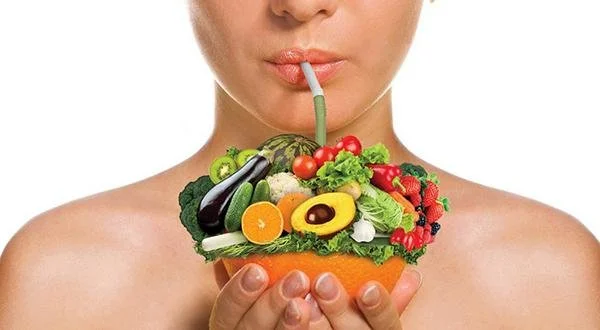
A well-balanced, nutrient-dense diet plays a critical role in maintaining healthy, resilient and youthful skin. By supplying essential fatty acids, antioxidants, vitamins, minerals and high-quality protein, the skin health diet supports key biological processes including collagen production, inflammation control, barrier repair and cellular regeneration. When combined with professional skincare and evidence-based aesthetic treatments, smart nutritional choices can significantly enhance skin quality from the inside out, helping to reduce premature ageing, improve hydration and support long-term skin health.